
Modern kitchen design continues to evolve with an emphasis on functionality, style, and seamless integration. One of the most requested features in contemporary homes is the open concept kitchen—a layout that merges cooking, dining, and living spaces into a unified area. Within these layouts, integrating a pantry becomes both an opportunity and a challenge. Thoughtfully blending a pantry into this space requires more than placing a cabinet in the corner; it involves precision planning, aesthetic alignment, and smart spatial strategies.
When homeowners choose to invest in a Pantry Installation Service, particularly in an open concept kitchen, they seek a balance of efficiency, design harmony, and storage enhancement. A well-executed pantry becomes an invisible powerhouse, capable of transforming kitchen utility without disturbing the flow or visual appeal of the broader living space.
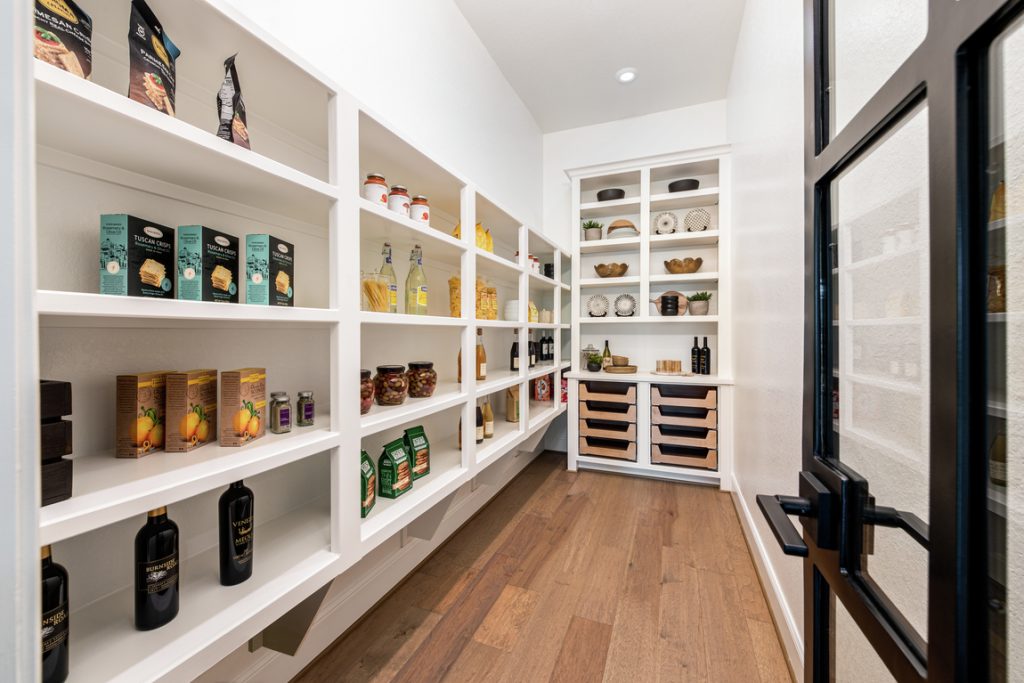
Open Concept Kitchens: The Rise of Seamless Living
The open concept kitchen has moved beyond trend status—it’s become a design standard in many modern homes. It’s favored for its ability to foster social connection, improve natural light flow, and eliminate the boxed-in feeling that traditional kitchens can create.
However, with this openness comes a new level of design responsibility. Every element—appliances, cabinetry, islands, and storage solutions—must serve both a functional and visual role. There’s no place for clutter, and that’s where a smart pantry installation becomes essential.
A pantry, when designed correctly, keeps the open concept looking sleek by housing food supplies, small appliances, and kitchen essentials out of sight but within reach.
Purpose of a Pantry in an Open Concept Kitchen
Pantries are more than storage closets—they’re efficiency enhancers. They reduce countertop clutter, offer organizational freedom, and help maintain the streamlined look of an open kitchen. But unlike closed kitchens, where a walk-in pantry can be hidden behind a door, open kitchens require creative integration.
The purpose of a pantry in this layout is threefold:
- To provide storage without interrupting visual lines.
- To support cooking and meal prep by keeping essentials close.
- To enhance the overall design rather than distract from it.
Whether the pantry is a walk-in, pull-out, built-in, or butler-style, blending it into the open concept setting ensures the space remains both beautiful and functional.
Choosing the Right Pantry Type for Open Spaces
Not all pantries suit open concept layouts equally. The choice of pantry type must reflect both space availability and lifestyle preferences.
Built-In Pantries
Built-in pantries are one of the most space-conscious and aesthetically adaptable choices. These can be flush with existing cabinetry and finished with matching doors to create a uniform look. Built-ins work well along walls adjacent to the main kitchen zone or even integrated within a larger island.
Walk-In Pantries
For those with a bit more space, walk-in pantries offer unmatched capacity. With careful design, they can be tucked behind discreet doors—possibly sliding or barn-style—to add a visual feature or blend seamlessly into surrounding cabinetry.
Butler’s Pantry
A transitional space between the kitchen and dining area, the butler’s pantry serves as both storage and a prep zone. It’s ideal for open kitchens that host frequent gatherings, providing a space to prepare behind the scenes without cluttering the main area.
Pull-Out and Hidden Pantries
Smaller kitchens benefit from pull-out pantries built into existing cabinetry. These provide vertical storage and can be concealed behind cabinet panels that match the rest of the kitchen.
Each of these options, when incorporated through a professional Pantry Installation Service, contributes not just to storage but to a unified design narrative.
Placement and Flow Considerations
Integrating a pantry into an open layout involves strategic placement. The goal is to ensure that it complements the flow of the kitchen while not obstructing sightlines or creating bottlenecks.
Key Placement Tips
- Adjacent to the Fridge: This supports meal prep efficiency.
- Near the Island: Enhances the function of the island as a prep and serving station.
- Behind Pocket or Sliding Doors: Maintains the openness of the space without compromising storage.
Avoid placing the pantry in high-traffic paths where it may interrupt movement. Instead, it should sit along secondary walls or behind structural elements that naturally divide space.
Matching Materials and Finishes
In open kitchens, every finish—from countertop to cabinetry—carries weight. The pantry must either match or intentionally cohesively contrast with these finishes.
If the pantry doors are visible:
- Use the same cabinet style, color, and hardware as the surrounding kitchen.
- Integrate recessed or handleless doors for a seamless look.
If the pantry is concealed:
- Consider decorative touches like shiplap, reclaimed wood, or frosted glass that double as design features.
When blending the pantry visually, continuity is key. A mismatch in materials can disrupt the harmony of an open concept space, so attention to detail is essential.
Lighting and Interior Organization
A pantry’s success lies as much in its interior as its exterior. Organization systems and lighting can elevate their usability and feel.
Smart Lighting Solutions
- Automatic LED lights are triggered by opening the door.
- Under-shelf lighting for deep storage areas.
- Dimmable fixtures to match kitchen lighting ambiance.
Interior Elements to Include
- Pull-out baskets for snacks.
- Adjustable shelving for canned goods.
- Vertical racks for baking trays.
- Appliance cubbies for mixers, toasters, or air fryers.
An experienced Pantry Installation Service ensures that the interior organization works in harmony with exterior elegance.
Integrating the Pantry With Living and Dining Areas
The defining feature of an open kitchen is its shared boundary with living and dining areas. The pantry, therefore, can’t just be functional—it needs to play nice with furniture, flooring, and adjacent décor.
Design Integration Ideas
- Use pantry door materials that match nearby media cabinets or bookshelves.
- Incorporate open shelving near the pantry to display cookbooks or decorative dishes.
- Use paint or wall treatments to visually “zone” the pantry wall from living spaces.
By softening the transition between spaces, the pantry becomes part of the home’s overall rhythm.
Minimalism Meets Utility
Modern open kitchens often follow minimalist principles: clean lines, fewer distractions, and optimized utility. A well-integrated pantry supports this by reducing countertop appliances, hiding food packaging, and creating dedicated zones for every kitchen item.
To align with minimalist aesthetics:
- Choose flat-front cabinetry and muted color palettes.
- Incorporate touch-latch or push-to-open doors.
- Avoid open shelving unless it’s styled with curated items.
Minimalism doesn’t mean less—it means better use of space. And pantries, when designed right, are the champions of that mindset.
Multi-Purpose Pantry Zones
Open kitchens benefit from multi-functional features. A pantry isn’t just for storing flour and cereal. It can be a coffee station, wine bar, or breakfast hub.
Ideas for Multi-Use Pantry Spaces:
- Coffee Corner: Built-in coffee machine, mugs, and beans in one hidden zone.
- Snack Bar: Accessible shelves with kids’ treats and lunch supplies.
- Baking Station: Flour bins, mixers, rolling space, all within arm’s reach.
These features allow homeowners to personalize their kitchen while maintaining a sleek, uninterrupted visual field.
Working With Structural Elements
Sometimes, structural features like support beams or load-bearing columns exist within open spaces. Rather than treating these as obstructions, a skilled pantry design can incorporate them.
Smart Uses:
- Create a pantry alcove between columns.
- Add a freestanding hutch-style pantry against a beam wall.
- Use ceiling height variation to define pantry placement.
The goal is to make structural elements part of the pantry’s visual story.
Accommodating Technology
Today’s kitchens are smarter than ever. Integrating technology into pantry spaces can bring efficiency and future-readiness.
Features to consider:
- Built-in charging drawers for tablets and phones.
- Smart inventory systems with barcode scanning.
- Motion-sensing doors for hands-free access.
Pairing technology with quality craftsmanship ensures the pantry performs at its highest level every day.
Considerations for Small Spaces
Not every open kitchen has abundant square footage. For smaller layouts, every inch counts. Creative pantry solutions make the most of tight quarters without compromising on aesthetics.
Ideas include:
- Vertical pull-outs between the fridge and the wall.
- Above-fridge cabinetry with a rolling ladder.
- Corner pantries that maximize depth without stealing floor space.
Professional Pantry Installation Service providers bring experience in identifying such hidden opportunities.
Enhancing Resale Value Through Seamless Design
Open concept kitchens are a strong selling point—but so is smart storage. When buyers walk through a space that feels cohesive and uncluttered, it leaves a lasting impression.
A pantry that blends naturally into the design not only serves current needs but also adds resale appeal by:
- Increasing perceived kitchen size.
- Offering organization without sacrificing style.
- Creating multi-functional zones that appeal to a range of buyers.
It’s an investment that brings both present-day satisfaction and future payoff.
Sustainability and Material Choices
For homeowners who prioritize sustainability, pantry installations can reflect those values without compromise. Choosing eco-conscious materials and finishes enhances both environmental responsibility and indoor air quality.
Options include:
- FSC-certified wood for shelving and doors.
- Low-VOC finishes and paints.
- Energy-efficient LED lighting.
Sustainable choices can still offer luxurious aesthetics and long-term durability.
Collaboration With Designers and Installers
A successful pantry is the result of collaboration between the homeowner, the designer, and the installer. Clear communication about lifestyle, cooking habits, aesthetics, and plans informs the most effective design.
Working with a professional Pantry Installation Service ensures:
- Efficient use of space.
- Alignment with open concept flow.
- High-quality craftsmanship that lasts.
Whether the goal is minimalist elegance, farmhouse warmth, or industrial chic, the pantry can be shaped to reflect the personality of the home.
Why Choose Texas Heart Of The Home Kitchens?
Blending a pantry into an open concept kitchen requires precision, creativity, and an understanding of how people live. At Texas Heart Of The Home Kitchens, every pantry installation is designed with purpose and styled with passion. We focus on making your space feel intuitive, beautiful, and truly yours.
From initial concept through the final installation, our team works closely with you to integrate a pantry that elevates your open kitchen, both functionally and visually. Whether you’re remodeling or building from scratch, we ensure the pantry becomes a seamless extension of your kitchen lifestyle.
Choose Texas Heart Of The Home Kitchens for thoughtful design, expert craftsmanship, and a commitment to bringing your kitchen vision to life.